AI Search
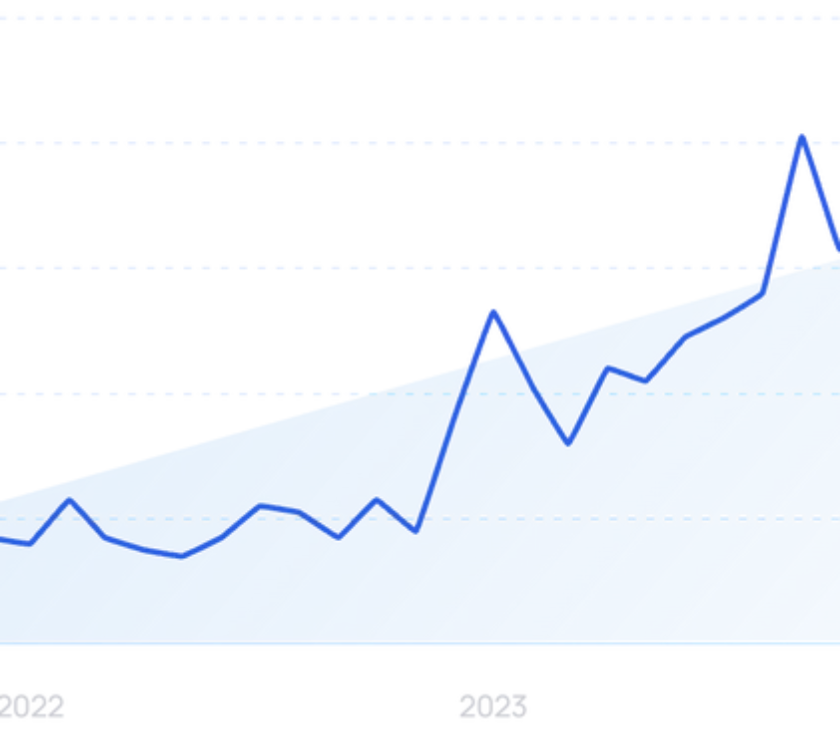
The shift from traditional search to AI responses has been very fast. In 2026, when people search online, they usually see AI-generated results from Google AI Overviews, AI Mode, or Microsoft Copilot. In fact, many people now directly use ChatGPT to find information and buy products without ever going to the web or seeing a long list of links.
If your brand is not mentioned in those AI responses, just appearing in traditional search rankings won’t help anymore. That’s why AI rank tracking tools are now more important than ever. These tools tell you whether your brand is showing up in AI answers, and how often it’s being mentioned. You can basically see how AI systems present your content to the audience.
So, in this guide, we look at the best AI rank trackers and AI search visibility tools which go beyond old-school SEO tracking and help you improve your brand’s presence in AI responses.
In simple terms, AI search visibility is basically about how often your brand appears in AI search results. It shows whether your page or brand is mentioned in AI responses from ChatGPT, Google AI Overviews, Google AI Mode, Copilot Search, etc. It could be a mention, a citation, a summary, or a recommendation.
Traditional SEO tools focus on where does the page rank whereas AI visibility tools focus on whether AI chatbots bring up your brand when answering something. AI tools combine different sources to deliver one result so it’s important that your content makes the cut and users notice your brand. If your page ranks well on regular search only, but doesn’t appear in AI rankings, the user may never come across your brand.
And that’s where AI visibility tracking tools help you close the gap. It shows whether AI systems consider your brand as a reliable source, which competitors are getting more visibility and which topics are getting more AI exposure.
Unlike traditional SEO tools, AI rank trackers work differently. They simply don’t check where you appear on the search page. Instead, they look at how AI services respond to questions by running pre-written questions or prompts. These questions are similar to what real users might search and capture the data, showing which brands show up in AI’s answers.
These tools also analyze the content to find whether your brand is cited as the primary source or just as a passing example. And to ensure that each mention is captured, these tools use entity detection which links different variations of your brand name, products, and key people back to one single entity. This way, your mentions are correctly counted.
Apart from that, some tools also compare regular search rankings with AI answers side by side. This gives an important insight as to why your brand is not appearing on AI search results. Combing all these data, these AI rank tracking tools offer a clear metric that shows your AI exposure.
To find the best AI search visibility tools, we evaluated each of these tools using a common standard. We started with AI platform support including ChatGPT, Google AI Overviews, Google AI Mode, and Copilot Search. Next, we looked at how these tools actually collect and cross-reference the data to ensure the process was clear and transparent.
Besides that, we preferred those tools that show how things change over time rather than just giving you a single snapshot of trends. Moreover, we picked tools which are built for SEO teams, content teams, SaaS companies, and agencies. Finally, we checked how frequently each tool updates its data as AI responses change pretty quickly based on the current development.
We put together this list by focusing on AI search visibility tools. We didn’t include tools that strictly focus on traditional rank tracking. And the list is not ordered in terms of which tool is best, but you can find a range of tools for different functions and use cases.
We have included SE Ranking on the list because it connects traditional SEO with AI visibility tracking, which is a great option for a lot of teams.
SE Ranking is one of the top tools as it combines SEO data with AI search visibility tracking. You can also take a look at Profound if you have a dedicated AI search strategy team. And Otterly.AI is a great fit for content teams and marketing managers.
SE Ranking is an established SEO platform that has expanded into AI visibility software. It combines traditional SEO data with AI search visibility tracking, allowing teams to see how rankings, content, and AI-generated answers relate to each other. The platform tracks brand mentions and citations in Google AI Overviews, ChatGPT, and Bing Copilot.
A common example is identifying pages that rank well but are never referenced in AI answers. SE Ranking helps surface those gaps and connect them to content improvements.
Pricing: AI visibility features are included in SE Ranking’s core subscriptions: Pro plan, from $119/month, and Business plan, from $259/month.
Pricing scales based on the number of tracked keywords, competitors, and AI visibility limits. An optional AI Search add-on expands prompt coverage, competitor comparisons, and historical tracking depth for teams with higher data needs.
Who this tool suits best: SEO teams, in-house marketers, and brands that want AI visibility tracking without replacing their existing SEO stack.
Profound is another AI visibility tracker that allows brands to see how visible they are in AI-generated search results and monitors how often a brand is mentioned in AI-generated answers. It also shows how the visibility changes over time.
Large companies use Profound to check if their brand regularly appears in AI responses to industry-related questions, instead of just specific products. It also improves citation rates across various AI platforms including ChatGPT, Perplexity, Google AI Overviews, Google AI Mode and Gemini. For large organizations, Profound is the best AI search visibility tool out there.
Pricing: Paid plan starts at $99 per month
Who this tool suits best: Large companies and organizations that have dedicated teams for AI search strategy
For marketers, Otterly.AI is the best tool for AI search visibility tracking. It offers important insights and tracks whether a brand or page appear in AI-generated answers by using predefined prompts based on real user searches. Marketing teams use it to see if new content starts appearing in AI answers after it has been indexed.
You can also check how rivals appear with identical prompts, which gives you actionable insights on how to improve your content for AI visibility. While it doesn’t scale like SE Ranking, Otterly.AI is still a great tool for mid-market brands.
Pricing: Paid plan starts at $29 per month
Who this tool suits best: Small content teams, marketing managers, and small brands that are starting to track their visibility in AI search results.
Just like other tools, Peec AI monitors how visible a brand is in AI search results, but based on topics instead of individual keywords. It tracks how many times a brand has been mentioned in AI-generated answers and organizes them by subject. For example, a SaaS company might appear in AI answers for “use case” questions but not in “comparison queries”.
This is where Peec AI fills the shoe and identifies the gap in content where the brand is missing. Apart from brand mentions, it tracks sentiment, share of voice, and competitive comparisons across all AI platforms and languages. So if you want to improve brand visibility across ChatGPT, Gemini, Perplexity, Claude, and Copilot, take a look at Peec AI.
Pricing: Paid plan starts at $89 per month
Who this tool suits best: SaaS companies and content-driven brands that want to improve authority around specific topics in AI search results.
Scrunch AI is a specialized tool that focuses on how AI systems talk about a brand. Instead of just tracking how many times a brand has been mentioned, it checks whether the information is accurate and if the brand is associated with in AI-generated answers. This is important when wrong or misleading information could damage a brand’s reputation.
Besides that, Scrunch AI is very good at automatic prompt tagging where the system classifies each query by user intent and topic cluster. You don’t need to do any manual configuration. This allows brands to check their AI presence for demand generation. If your team prioritizes intent-driven insights, Scrunch AI is a worthy tool to check out.
Pricing: Paid plan starts at $250 per month
Who this tool suits best: Brands, communication teams, and compliance teams that want to track how their company is described in AI-generated content.
While Brand24 is known for its brand monitoring tool, it now also tracks mentions in AI-generated content. It detects when a brand is mentioned by AI chatbots and combines that data with positive or negative sentiment. For PR teams, this tool lets you check your brand’s visibility in AI answers with overall reputation and public perception.
It monitors ChatGPT, Gemini, Perplexity, Claude, and Copilot for brand mentions, sentiment, and representation accuracy in real time. Brand24 also alerts team when brand sentiment shifts across AI-generated results. If you want social listening and AI visibility tracking on a single platform, Brand24 is for you.
Pricing: Paid plan starts at $199 per month
Who this tool suits best: PR and communication teams who want to monitor their brand’s reputation across AI platforms and media channels.
PromptWatch focuses on tracking AI-generated responses at the prompt level. It monitors how small changes to user queries can affect which brands show up in AI responses. For example, a brand might be visible when someone asks for the “best tools”, but may disappear when the question changes to “alternatives”.
It also does analysis of AI bots including GPTBot, PerplexityBot, ClaudeBot, etc. to check whether your content is being indexed and at what frequency. Finally, PromptWatch cross-references AI appearances with Google Search console data and server-side crawler logs to give a complete picture about your visibility in AI responses.
Pricing: Paid plan starts at $99 per month
Who this tool suits best: Advanced SEO teams and marketers who are testing how AI search results change based on different prompts and user behavior.
SEO teams regularly choose SE Ranking because it offers both AI rank tracking and regular SEO data in one place. If you have a content-focused brand, you can use Otterly.AI or Peec AI to understand which topics can get you mentioned in AI-generated results.
As for SaaS companies and startups, Peec AI or PromptWatch are great solutions to find gaps in content where competitors are showing up, but you are not. And agencies who want side-by-side comparisons and detailed reports, you can check out tools like Profound and Otterly.AI.
People are increasingly using AI search platforms and chatbots to find brands, products, and expert information. You can no longer ignore AI search results as it’s gaining traction rapidly. AI rank tracking and visibility tools help you find out what is happening around descriptive searches, and show whether AI platforms mention your brand.
These tools also show when competitors are mentioned in AI responses and which topics are driving those numbers. With AI search visibility tools, you will be able to monitor how and when your brand is presented and improve your overall standing in AI-generated results. Basically, in 2026, AI visibility tracking has become essential for brands and websites and it’s not deeply integrated with SEO.
AI search visibility tools let you track how often a brand appears in AI-generated answers. It also shows how accurate the information is.
AI visibility trackers run prompts, gather AI responses, and analyze brand mentions and trends across different AI platforms.
Yes, AI search visibility can be measured consistently over time. Instead of single snapshots, the larger trend gives a more accurate picture over time.
Currently, no. AI rank trackers are complementing SEO tools by explaining AI-generated outcomes.
Most SEO teams use AI visibility trackers weekly or monthly to identify the broad trends.
Trending Stories in
#AI
01
02
04
05
01
02
03
04
05