AI Search
OpenAI is rolling out its self-serve ChatGPT Ads Manager this month, giving over 600 U.S. advertisers real-time control over campaigns amid surging AI search referrals. This upgrade addresses growing demand for efficient ad tools on ChatGPT, where Answer Engine Optimization (AEO) is reshaping traffic strategies. U.S. digital marketers targeting AI platforms should evaluate it now, while traditional search advertisers may find limited immediate fit.
OpenAI’s launch of the ChatGPT Ads Manager marks a pivotal shift in AI-powered advertising, particularly for U.S. marketers navigating the rapid growth of digital ad spend. With U.S. digital advertising revenue hitting $294 billion last year—a 13% year-over-year increase—the platform’s new self-serve dashboard arrives at a critical juncture.Ignite Visibility reports highlight this as part of broader trends, including an 11% rise in search ads and a 32% surge in social media advertising to $29 billion.
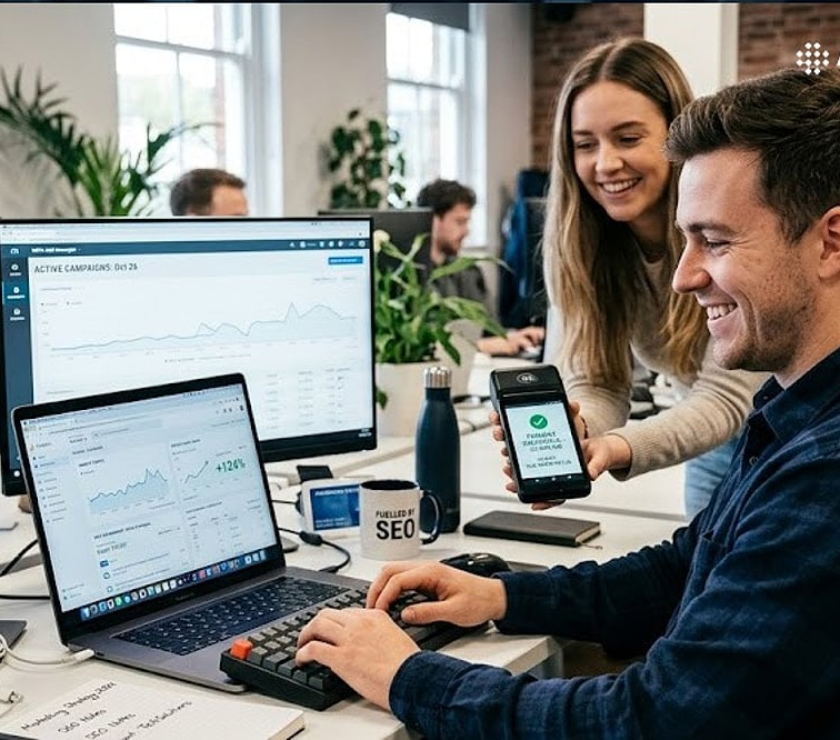
The Ads Manager provides advertisers with real-time campaign control, enabling launches, monitoring, and optimization directly within ChatGPT. This is a significant upgrade from prior limited reporting, which depended on basic data exports. Early tests are now visible to marketers, signaling broad rollout this month to consumers after success with over 600 advertisers.
For U.S. businesses, this matters now because AI search referrals are exploding, driven by Answer Engine Optimization (AEO). Platforms like ChatGPT are pulling traffic from traditional search engines, forcing marketers to adapt strategies across Google, YouTube, Reddit, and AI tools.Backlinko emphasizes that ranking alone isn’t sufficient; visibility in AI responses is key for 2026 success.
The U.S. digital ad market’s growth underscores the timeliness. Search ad increases reflect ongoing competition, but ChatGPT’s entry introduces cost-per-click (CPC) ads tailored for conversational AI. Marketers using the platform gain efficiency in a space where AI is redefining user engagement. OpenAI’s U.S. success paves the way for expansions to Canada, Australia, and New Zealand, but American advertisers lead adoption.
This tool empowers real-time adjustments, crucial as AEO impacts referral traffic. Businesses reliant on organic AI visibility can now complement it with paid strategies, capturing intent-driven users in ChatGPT conversations.
Digital marketing agencies and e-commerce brands targeting tech-savvy U.S. consumers are prime users. With over 600 advertisers already engaged, those in performance marketing—focusing on CPC efficiency—stand to gain from the dashboard’s optimization features. Companies experimenting with AI search strategies, especially amid Google’s Demand Gen upgrades like view-through conversions, will find it relevant for diversified channels.
Small to mid-sized U.S. firms seeking cost-effective AI ad entry benefit, as the self-serve model lowers barriers compared to managed services. Marketers prioritizing multi-platform visibility (Google, ChatGPT, social) align perfectly, using it to test AEO alongside traditional SEO.
Advertisers heavily invested in traditional search or display networks may see less immediate value. The platform’s early stage and U.S.-centric rollout mean global brands without strong American presence face delays. Those avoiding CPC models or lacking AI traffic needs—such as local service providers focused on Google My Business—have minimal fit.
Large enterprises with custom ad tech stacks might prefer integrated platforms over ChatGPT’s nascent tools, avoiding dependency on a single AI ecosystem.
The Ads Manager’s real-time controls address pain points in prior setups. Marketers can launch campaigns swiftly, track performance live, and optimize without exports. This efficiency suits fast-paced U.S. ad environments where agility drives ROI.
Integration with ChatGPT’s user base—millions of daily U.S. interactions—positions it for high-intent targeting. Combined with industry trends like 32% social ad growth, it offers a fresh channel amid saturation in established platforms.
As a new launch, scalability for high-volume campaigns remains unproven. Reporting depth may lag enterprise tools, and CPC pricing transparency is pending wider rollout. U.S. advertisers should monitor initial performance before full commitment.
Dependency on OpenAI’s ecosystem risks platform-specific issues, unlike diversified Google Ads. Early testers note interface surfacing variably, suggesting beta-like stability.
Google’s Demand Gen enhancements, including view-through conversions, compete directly by improving attribution in performance campaigns. Traditional players like Meta Ads dominate social with $29 billion spend, offering mature targeting. ChatGPT differentiates via conversational AI placement, ideal for AEO strategies.
For alternatives, marketers can explore Perplexity AI ads or YouTube promotion, but none match ChatGPT’s self-serve dashboard yet. Backlinko’s 2026 SEO guide recommends hybrid approaches, blending AI ads with organic optimization across platforms.
OpenAI’s move builds on ChatGPT’s U.S. dominance in AI tools. The self-serve launch follows successful beta with 600+ advertisers, focusing on efficiency. Expansion plans signal confidence, but U.S. remains the core market.
No public company status means no direct stock angle; OpenAI operates privately, limiting investor plays tied to this launch.
Test the Ads Manager upon consumer rollout this month. Integrate with AEO efforts for comprehensive AI visibility. Track metrics against Google benchmarks to assess ROI in the $294 billion market.
Stay updated via industry sources like Ignite Visibility for rollout details and performance insights.