AI Search
Identify traffic-stealing competitors
Find untapped opportunities
Create outperforming content
mt logo
search icon
MarTech » Search marketing » Why organic search is becoming a brand trust channel
If you’re an organic search marketer, you know the industry has been fundamentally disrupted over the last two years.
As a community, we continue to debate short-term tactics rather than pivot toward a holistic strategy aligned with general marketing principles. Despite the frustrating landscape, we must stop focusing on outdated hacks and shift our thinking toward becoming a trust-first channel.
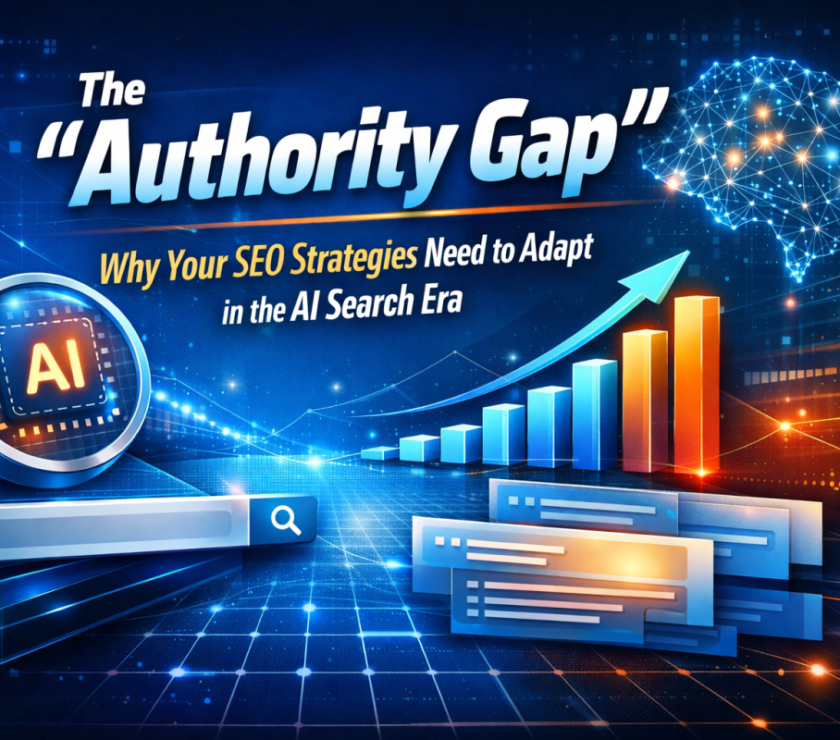
The traditional organic search funnel has evolved from a journey of discovery to a journey of trust. AI-generated answers didn’t create this shift, but they drastically accelerated it. Google has long told us to “create the best content,” and many of us — myself included — missed what that truly meant.
For most of my career, organic search was straightforward. I could pull keywords for a domain and its competitors to create a gap report that prioritized opportunities. I’d then map those keywords to expected rankings and apply a click-through rate (CTR) curve to estimate the traffic opportunity.
While that process can still be helpful, it’s heavily undermined by the “zero-click” environment and plummeting CTRs observed across the web today. These consumer behavior changes result from the evolving AI-driven environment in Google Search and the rapid adoption of AI platforms.
Most marketers have responded by tracking the number of citations or mentions in generative answers. While the logic is sound, these are still visibility metrics that don’t always align with business outcomes like referral traffic, conversions or other indirect signals.
Instead, brands should focus on control and trust. Search has transitioned from an awareness channel to a brand trust channel. It isn’t enough to be visible. You must understand how much control you have over that visibility and whether the information provided about your brand, product or executives is factually correct.
Often, the old mandate to create the best content led marketers to produce bloated guides and top-of-funnel content that lacked unique insights or a clear tie to a brand’s product or solution to capture those clicks.
We see this in websites that create content they have no right to win. These websites continue to see declining performance, while brands that prioritize trust — layering in unique brand insights and proprietary information — are winning by being visible and controlling the narrative that captures high-intent users in the middle and bottom of the funnel.
The SEO toolkit you know, plus the AI visibility data you need.
This transformation will accelerate over the next 24 months. The days of focusing solely on Google’s 10 blue links are over. Search is now a fragmented experience and is often influenced by review sites and third-party publishers.
Look at Reddit. Both organic search and generative results are flooded with Reddit threads. While I understand why AI companies use Reddit as a source, it isn’t a perfect solution.
Misinformation persists, and spammy tactics are already being developed to game the system. This makes owning your narrative and maintaining consistent trust across all platforms — not just your domain — imperative.
Furthermore, native advertising will soon impact these results. Generative answers currently work because they feel objective and non-salesy. As ads become more ingrained in these answers, they could alter user perception.
Brands must strive to be cited as the organic solution within a synthesized AI response rather than appearing as a disruptive, low-intent advertisement to maintain and build trust.
To build a fortified brand, marketers must move beyond demand metrics. Since generative answers often hide the data we once relied on to build strategy and determine performance, we must become more integrated with other teams across our organizations.
Brands should utilize third-party sites like Reddit or social media to understand the themes surrounding their products and customer service. By leveraging sales materials and customer service transcripts, you can create assets that address real-world friction.
This information should be mapped to specific personas and published wherever your audience lives, including third parties, PR and owned domains. Consistency and omnipresence create a strategic moat and reduce AI hallucinations regarding your brand.
Platform news, strategy analysis, and industry trends. Trusted by 40,000+ marketing professionals.
Change is difficult, but focusing on traffic as a primary KPI will no longer protect your brand from reputational risks. Brands must shift to building trust and earning the right to be present for high-intent searches.
A strategic approach centered on controlled, high-authority assets is the only way to succeed in a fragmented search world.
Contributing authors are invited to create content for MarTech and are chosen for their expertise and contribution to the martech community. Our contributors work under the oversight of the editorial staff and contributions are checked for quality and relevance to our readers. MarTech is owned by Semrush. Contributor was not asked to make any direct or indirect mentions of Semrush. The opinions they express are their own.
Related topics
Kevin Cotch is the Director of Strategic Solutions at Terakeet, the leading online reputation management partner for global brands. Kevin has extensive experience building digital strategies that drive revenue growth across industries. At Terakeet, he leads innovative, data-driven marketing teams and strategies that have helped drive brand trust and visibility for global customers.
Google’s “preferred sources” feature allows users to customize their search results by selecting news outlets they want to see more often in the “Top Stories” section.
Content marketing
AEO traction may be hiding in your archive — here’s how to reformat evergreen content so AI models can quote, lift and surface it.
Content marketing
AI rewards original insight, proprietary data and firsthand experience over length and polish. Here’s how content strategy must evolve.
Search marketing
A study of 1,000+ prompts across four AI engines reveals what drives B2B brand visibility in generative AI answers — and where common GEO advice falls short.
Digital advertising
As AI platforms test advertising inside chat, the real risk isn’t revenue — it’s eroding the trust that makes AI useful in the first place.
Fuel up with free marketing insights.
Get ready for four exclusive 2026 MarTech events designed to inspire, inform, and an empower you in an AI-powered age.
Learn actionable SEO, PPC, and AI tactics that can help you drive more traffic, leads, and revenue.
Free 14 day Semrush trial
Get 55+ tools to gain insights and grow your audience.
Content marketing
AEO traction may be hiding in your archive — here’s how to reformat evergreen content so AI models can quote, lift and surface it.
Content marketing
AI rewards original insight, proprietary data and firsthand experience over length and polish. Here’s how content strategy must evolve.
Search marketing
A study of 1,000+ prompts across four AI engines reveals what drives B2B brand visibility in generative AI answers — and where common GEO advice falls short.
Digital advertising
As AI platforms test advertising inside chat, the real risk isn’t revenue — it’s eroding the trust that makes AI useful in the first place.
Level up your marketing game in just a few minutes a day.
Subscribe to MarTech’s free newsletter for exclusive content, expert analysis, and actionable strategies.
© 2026 MarTech.org is a Trademark of Semrush Inc.
Third Door Media is a business-to-business media company. It is the publisher of MarTech and the producer of the MarTech Conference. Third Door Media offers marketing solutions that help vendors connect with an engaged audience of B2C and B2B marketers. The company headquarters is 800 Boylston Street, Suite 2475, Boston, MA USA 02199.