AI Search
Sommaire
European companies are running into a problem that will sound familiar to U.S. employers: they can’t find enough digital marketers who can actually do the job on day one.
The explosion of channels, the rapid spread of AI tools into everyday marketing work, and nonstop digital transformation have reshaped what “qualified” means. Recruiters aren’t hunting for broad “digital generalists” anymore, they want specialists who can ship content, run paid campaigns, prove performance, and plug AI into real workflows.
That’s why certifications are gaining new weight in 2026. For hiring managers, a credible credential is increasingly treated as proof of specific, job-ready skills, not just another line on a résumé.
In a crowded training market, certifications have become a shortcut for employers trying to reduce hiring risk. A recognized credential signals that a candidate’s skills have been assessed and validated by a third party, not just self-reported on LinkedIn.
For working professionals, certifications can also function as a career accelerant. A focused program helps marketers organize what they know, close gaps fast, and position themselves for higher-impact roles, especially as teams demand measurable results.
In French-speaking Switzerland, for example, several organizations offer certification tracks aligned with local employer needs. One provider, On Future, markets programs spanning modern digital pillars including content strategy, performance marketing, LinkedIn for professionals, SEO, “GEO” (optimization for AI-driven search), and applied AI.
Employers are clustering their wish lists around a few high-value skill sets, areas where mistakes are expensive and results are easy to measure.
AI-powered content strategy.Companies want marketers who can produce strong content while using generative AI tools responsibly and efficiently. The job isn’t just “write more.” It’s orchestrating an editorial engine, tailoring formats to each channel, and tracking what actually moves the needle.
Performance marketing.Google Ads, Meta Ads, tracking, and multi-touch attribution remain hard to hire for, and highly prized. Businesses are pouring serious budgets into paid channels and expect marketers who can optimize spend and defend results with clean measurement.
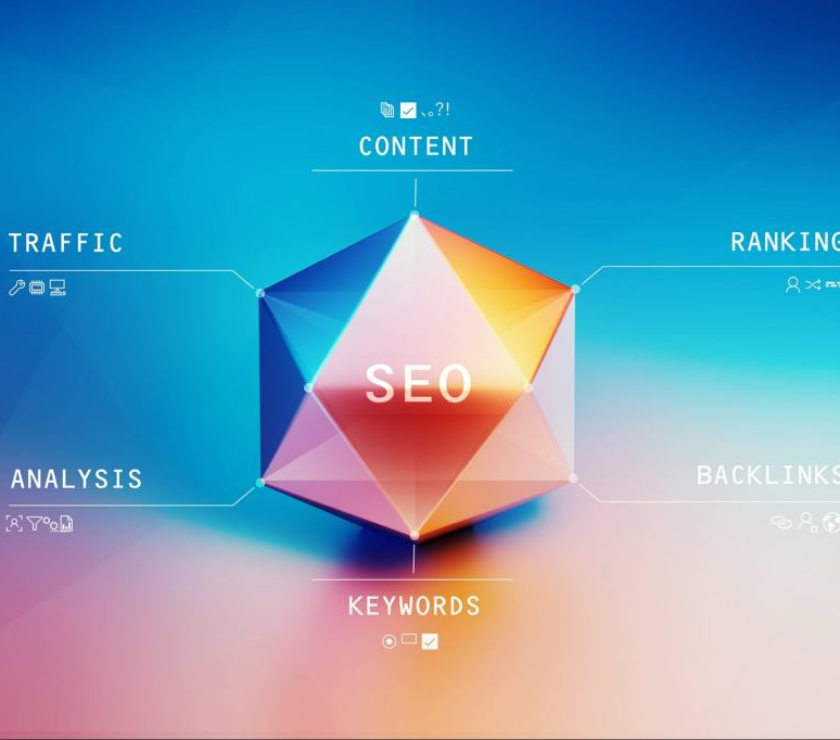
SEO, and the rise of GEO.As AI-driven search experiences expand, a new discipline is emerging: Generative Engine Optimization, or GEO. The goal is to structure and optimize content so AI systems surface it, cite it, and use it in answers, making “ranking” only part of the game.
LinkedIn for B2B growth.LinkedIn continues to dominate as a B2B channel across Europe, and the same is increasingly true for many U.S. industries. Marketers who can build a content cadence, drive engagement, and run effective LinkedIn ad campaigns have become essential for B2B teams.
With training options multiplying, the article points to a few filters that can separate serious programs from flashy ones.
Look for a credential employers recognize.Prioritize programs tied to accredited or widely recognized organizations. In Switzerland, some certifications can qualify for public or continuing-education support that may cover up to 50% of tuition, an approach that resembles how some U.S. employers use tuition assistance or workforce development funds to offset costs.
Choose a format built for working adults.The strongest programs tend to blend intensive in-person sessions with self-paced learning, allowing professionals to upskill without stepping away from their jobs.
Demand hands-on training.Practical casework, real tools, and instructors who actively work in the field matter. Theory-heavy courses that ignore current platforms and workflows don’t prepare people to execute.
Make sure the curriculum stays current.Digital marketing changes too fast for stale lesson plans. Programs that regularly update content, especially around AI, measurement, and platform shifts, deliver far more value.
The message to executives and HR leaders is blunt: paying to train marketing teams is no longer optional if you want to compete. Companies with trained, certified marketers tend to see clearer performance, higher conversion, lower customer acquisition costs, and stronger content output.
The labor market is rewarding initiative, too. The article cites European studies finding certified digital marketing specialists earn roughly 15% to 25% more than peers without certifications. (In U.S. terms, that kind of bump can translate into a meaningful jump in annual pay, often the difference between a mid-level role and a senior one.)
In 2026, the question isn’t whether digital marketing training pays off. It’s whether you pick a program that matches how the job is actually done now, across channels, under pressure, with AI in the loop.
What kinds of financial help can cover digital marketing training?Options vary by country and employment status, but can include public workforce programs, employer-paid training budgets, continuing education funds, or subsidies that cover a significant share of costs.
Can a company pay to train its marketing team?Yes. Many employers fund training through professional development budgets and may be able to stack partial reimbursements or supplemental support depending on local rules.
Is paying for training actually worth it?The argument here is yes: stronger skills can improve marketing performance and reduce acquisition costs over time, turning training into an investment rather than a perk.
Several options are available depending on your situation: public aid, employer funding, continuing education programs, or grants that can cover a significant portion of the costs.
Yes. Companies can fund these programs through their training budget and, in some cases, receive partial reimbursement or additional support.
Yes—it’s a strategic investment: stronger skills, improved marketing performance, and lower customer acquisition costs over the medium term.
These Anti-Parking Bollards Are Spreading Across France, Here’s Why Cities and Businesses Want Them
What It Really Costs to Hire a China Sourcing Agent in 2026, and How to Avoid Surprise Fees
The 10 Law Firms Bordeaux Residents Rely On Most, And How to Pick the Right Lawyer in 2026
Youth Artists Took Over the Louvre, And One Rising Star Wants to Rewrite How Kids Learn Art
The 5 Best French Olive Oil “Rankers” for 2026, And Which One Actually Helps You Buy Better
Europe infos : Toutes les dernières informations chaudes, avec les dernières actualités européennes. Des infos pour tous les lecteurs qui souhaitent suivre de près l actualités en France et en Europe.
© Europe Infos – Tous droits réservés