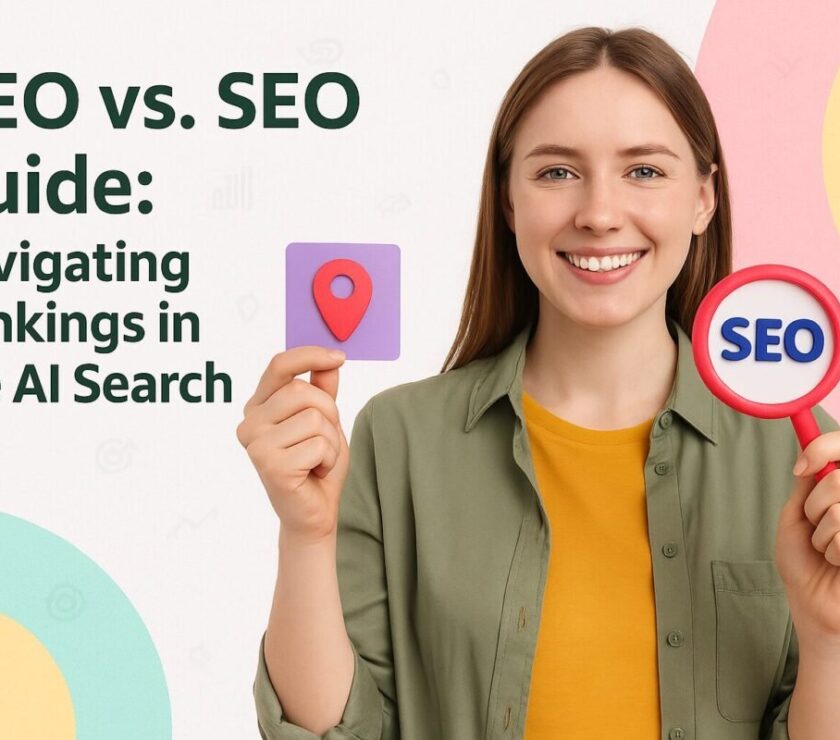
AI Search
Google dropped its March 2026 core algorithm update today, shaking up search results to prioritize relevant, satisfying content. Here’s what young creators and marketers in North America need to know to stay ahead in AI-driven search.
Google just rolled out its March 2026 core algorithm update on March 27, 2026, aiming to surface more relevant and satisfying content across all types of sites. This routine update, like those in June and December 2025, focuses on quality over tricks, directly impacting how North American creators, influencers, and small brands show up in searches. For 18-29 year olds building online presences—whether for music reviews, fashion hauls, or tech breakdowns—this means rethinking strategies to match real user intent in an era where AI dominates search.
The update emphasizes **search intent over keywords**, a shift that’s been building since AI tools took over. No longer can you stuff pages with terms; Google now rewards content that truly answers what people want. Paired with stricter EEAT standards (Experience, Expertise, Authoritativeness, Trustworthiness), sites must prove they’re the go-to source. In North America, where mobile searches drive streaming and social discovery, this rewards authentic voices over generic posts.
In 2026, SEO isn’t dead—it’s evolved. AI-driven search is dominating, with tools generating answers directly, reducing clicks to traditional sites. But for North American audiences aged 18-29, who spend hours on TikTok, Instagram, and YouTube for pop culture and trends, understanding these changes unlocks visibility. Brands and creators ignoring this risk fading as algorithms favor intent-matched, trustworthy content.
This matters because young North Americans consume content on-the-go: 70% of searches are mobile, many voice-activated via AI assistants. A post-update Google prioritizes ‘satisfying’ experiences, meaning your video essay on rising artists or streetwear drops must deliver value fast. It’s a cause-and-effect chain: better intent focus leads to higher rankings, more streams, and stronger fan engagement across platforms.
AI visibility—how often your content appears in generated answers—is the new frontier. Unlike traditional SEO, it thrives on specific, question-like phrases from ‘People Also Ask’ sections. For creators, this means crafting content that anticipates conversational queries, boosting exposure in North America where AI chat usage spiked 40% year-over-year.
EEAT is non-negotiable now. Show your experience with real stories, back expertise with sources, prove authoritativeness via backlinks, and build trust with transparent updates. North American regulators and users demand this, especially post-privacy scandals, making compliant creators stand out.
Top tools like Ahrefs, Semrush, Pitchbox, BuzzStream, Respona, Majestic, and Moz Pro lead link building, essential for authority. No single tool rules; combine them: Semrush for all-in-one analysis, Ahrefs for prospecting, BuzzStream for outreach. Lean teams start with Semrush + Google Search Console.
- Skyscraper: Use Ahrefs Content Explorer + Respona outreach.
- Guest posting: Semrush/Pitchbox for opportunities, BuzzStream CRM.
- Digital PR: Featured HARO + BuzzStream.
- Competitor gaps: Semrush Backlink Gap or Ahrefs Link Intersect.
- Niche edits: Majestic for Trust Flow, Pitchbox outreach.
- Resource pages: Ahrefs/Semrush + Respona.
These build backlinks that signal quality to Google post-update.
Shift to zero-party and first-party data for intent strategies. Collect user preferences directly to tailor content, fueling personalized SEO that resonates with North American Gen Z/Millennials seeking authentic recommendations.
North America leads in digital ad spend and content creation, with platforms like YouTube and TikTok as career launchpads. This update levels the field: small creators with strong EEAT can outrank big sites. It ties to pop culture—think music playlists or viral challenges—where intent-driven SEO drives viral shares and monetization.
For 18-29s, it’s practical: optimize a SoundCloud profile or Substack, and watch discovery soar. Cause-effect: intent-focused content + quality links = top AI answers, leading to sponsorships, streams, and live event buzz in cities like LA, NYC, Toronto.
Spotify and Apple Music algorithms mirror Google’s, prioritizing satisfying content. North American users, heavy on personalized feeds, reward creators who nail intent, creating a feedback loop of growth.
Entry-level SEO roles demand these skills. Master them, and you’re set for remote gigs serving US/Canadian brands.
Dive into Semrush’s AI visibility guides or Search Engine Land’s checklists for 2026 EOY prep. Watch YouTube channels like Ahrefs for tutorials. Follow @searchengineland on X for real-time tips.
- Beginners: Semrush + Hunter.io + GSC.
- Advanced: Ahrefs + Respona/BuzzStream + GSC.
Experiment with PAA questions for content ideas.
Create FAQ-style videos or threads answering niche queries. Track with Google Analytics post-update to measure lifts.
This update is a reset button for sustainable growth. Creators adapting now will thrive as search evolves.
Mood and reactions