AI Search
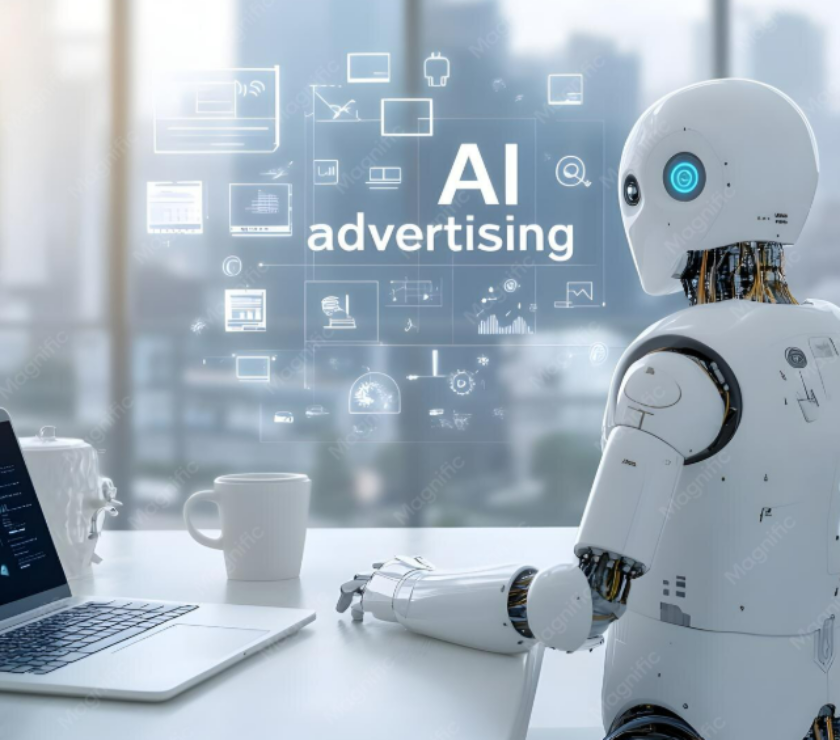
OpenAI is rolling out a self-serve ChatGPT Ads Manager this month, enabling real-time campaign control for over 600 US advertisers. This comes as digital ad revenue hits $294 billion with 13% growth, making AI platforms key for marketers targeting high-intent users. US businesses now have efficient tools to compete in AI-driven search and social channels.
OpenAI’s launch of the ChatGPT Ads Manager marks a pivotal moment for US digital marketers, providing a self-serve dashboard for campaign management just as digital advertising revenue reached $294 billion last year, up 13%. The platform, now used by more than 600 advertisers primarily in the US, allows real-time launching, monitoring, and optimization, replacing limited prior reporting tools. This upgrade arrives amid rapid growth in search (11% increase) and social media ads (32% to $29 billion), positioning ChatGPT as a competitive force.
The Ads Manager interface gives advertisers dashboard access to performance metrics, enabling quick adjustments without data exports. Early tests show it streamlines operations for US brands seeking visibility in AI conversations, where referrals from AI search are surging alongside Answer Engine Optimization (AEO) impacts. For American marketers, this means direct integration into ChatGPT’s vast user base, crucial as platforms like Google expand Demand Gen with YouTube and retailer data.
Digital ad spend in the US is booming, with AI tools like ChatGPT Ads Manager offering timely efficiency gains. Google is retiring Dynamic Search Ads and adding view-through conversions to Demand Gen, while TikTok advances AI ad creation—intensifying competition. OpenAI’s move supports US expansion plans to Canada, Australia, and New Zealand, but the self-serve launch prioritizes American users. Marketers face pressure to adapt to AI-driven traffic across Google, ChatGPT, YouTube, and Reddit, where traditional SEO alone falls short.
This timing aligns with broader shifts: AI-generated content impacts rankings, and ChatGPT favors listicle citations, per recent observations. US businesses investing in multi-channel strategies gain an edge, as ChatGPT’s ad tools promise precise targeting in conversational AI.
Small and medium-sized US businesses (SMBs) stand to gain significantly, as the self-serve nature lowers barriers to AI advertising entry. Performance marketers focused on real-time optimization thrive with the dashboard’s controls, ideal for e-commerce and lead-gen campaigns. Agencies handling US clients, especially in competitive sectors like retail and tech, can scale efforts efficiently without complex setups.
Those already using ChatGPT for customer engagement find seamless ad integration, boosting ROI in high-intent environments. US marketers prioritizing AEO and AI visibility, as outlined in updated SEO strategies, will leverage this for traffic beyond traditional search.
Large corporations reliant on broad brand awareness campaigns may find limited scale compared to Google or Meta platforms. Advertisers without AI-savvy teams could struggle with optimization, as the tools demand data-driven tweaks. Beginners in digital ads or those focused solely on display networks miss out, given ChatGPT’s conversational focus.
Budget-constrained users outside major US markets might see slower results, as initial rollout emphasizes established advertisers.
The platform’s real-time dashboard stands out, offering campaign oversight far beyond basic exports. With over 600 US users, it proves reliable for production-scale ads. Integration into ChatGPT’s ecosystem taps into growing AI search referrals, vital as digital revenue surges.
While advanced, the manager builds on prior limited reporting, so legacy data issues may persist initially. Scale remains smaller than giants like Google Ads, limiting super-high-volume campaigns. Dependence on ChatGPT’s user base means fluctuations in AI traffic could affect performance.
No details on pricing or advanced bidding yet, potentially complicating budgets for cost-sensitive US firms.
Google’s Demand Gen upgrades, now in Commerce Media Suite, use retailer data for YouTube and Gmail targeting—direct rivals to ChatGPT’s precision. TikTok’s AI ad tools appeal to younger demographics, while Meta dominates social. Effective strategies now span SEO, AEO, YouTube, and Reddit for full visibility.
ChatGPT differentiates via conversational ads, suiting query-based shopping over video or feed formats.
US e-commerce brands can launch product queries in ChatGPT, driving conversions with real-time bids. Lead-gen firms optimize for service inquiries, monitoring engagement instantly. Content creators blend ads with AI responses, capitalizing on listicle preferences.
Seasonal campaigns, like back-to-school or holidays, benefit from quick scaling amid 13% ad growth.
Digital marketing evolves rapidly: AI headlines tested by Google, glitches in Ads highlight platform risks. US advertisers must diversify, as ChatGPT Ads Manager fills a conversational gap. Strategies emphasizing trust across channels win, per 2026 SEO guides.
OpenAI’s US focus builds on ad success, with expansions planned post-launch.
Marketers can access early tests via OpenAI’s platform, with full self-serve rolling out soon. Pair with AEO tactics for maximum impact in AI ecosystems. Monitor Google’s parallel updates to balance portfolios.
This tool empowers US pros to harness AI ad growth without overhaul.